Mattress Cleaning: How to Keep Your Bed Fresh, Healthy, and Long-Lasting
Why Mattress Cleaning Matters More Than Most People Realize
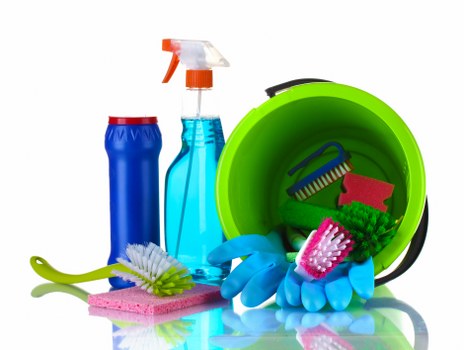
Mattress cleaning is one of those household tasks that often gets postponed, yet it has a direct impact on comfort, hygiene, and sleep quality. Your mattress is used for hours every night, which means it naturally collects sweat, dead skin cells, dust, body oils, allergens, and sometimes spills or stains. Over time, these build up and create an environment that can feel less than fresh.
If you have ever noticed a lingering odor, increased sneezing at night, or a mattress that simply looks worn, it may be time to prioritize mattress cleaning. A clean mattress does more than improve the appearance of your bedroom; it helps reduce allergen exposure and can extend the lifespan of the mattress itself.
People often invest in mattress protectors, new bedding, and air purifiers, but still overlook the surface they sleep on every day. That is why regular mattress cleaning services or effective at-home care can be so valuable. By learning how to clean a mattress properly, you can create a healthier sleeping environment without unnecessary effort.
Understanding What Builds Up Inside a Mattress
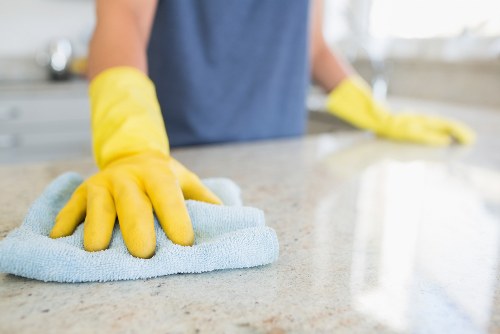
When most people think of mattress cleaning, they picture removing visible stains. In reality, the bigger issue is often what you cannot see. Mattresses can trap fine dust, pet dander, pollen, sweat residue, and microscopic particles that settle deep into the fibers and layers.
This buildup can affect more than cleanliness. For example, allergens trapped in bedding can trigger congestion, itchy eyes, coughing, or general discomfort during sleep. For households with children, pets, or allergy sufferers, regular mattress cleaning becomes even more important.
Moisture is another concern. Sweat and spills can seep into foam, springs, or padding, creating conditions where bacteria and odors can develop. That is why fast action is so important when accidents happen. The sooner you address moisture, the better your chances of preventing long-term damage and unpleasant smells.
Common Contaminants Found in Mattresses
Although every mattress is different, most tend to collect similar contaminants over time. Understanding these can help you make smarter cleaning decisions and protect your investment.
- Dust mites and their waste particles
- Dead skin cells from nightly use
- Sweat and body oils
- Food crumbs and small debris
- Pet hair and dander
- Spills and stains from drinks, makeup, or accidents
- Odor-causing bacteria trapped in fabric layers
Each of these can contribute to an unhealthy sleeping surface, which is why ongoing mattress cleaning should be part of your home maintenance routine rather than a once-in-a-blue-moon chore.
In some homes, mattress odors are subtle at first and become more noticeable only after months of accumulation. By then, the issue may require deeper treatment instead of simple surface cleaning.
Tip: the more frequently you vacuum and freshen your mattress, the less likely you are to face stubborn buildup later.
How Often Should Mattress Cleaning Be Done?

The ideal frequency for mattress cleaning depends on your lifestyle, sleep habits, and household conditions. As a general rule, vacuuming and light freshening should be done monthly, while deeper cleaning can be scheduled every few months or as needed.
If you have pets that sleep on the bed, children who are prone to spills, or allergy concerns, you may need to clean the mattress more often. Likewise, if you live in a humid climate, buildup and moisture-related issues can develop faster, making regular maintenance especially important.
For many households, a simple cleaning routine includes:
- Vacuuming the mattress surface once a month
- Spot-cleaning stains immediately
- Rotating or flipping the mattress as recommended
- Using a mattress protector at all times
- Air-drying and deodorizing periodically
Professional mattress cleaning may be a smart option once or twice a year, especially if the mattress has deep stains, odors, or signs of allergen buildup.
Signs Your Mattress Needs Attention
Not sure whether your mattress needs cleaning? There are several signs that should not be ignored. If you notice any of the following, it may be time to take action:
- Visible yellowing or dark stains
- Musty or sour odors
- Increased allergy symptoms at night
- Dusty buildup around seams and edges
- Discomfort or a feeling of sleeping on an unclean surface
Sometimes the signs are subtle. A mattress can look fine on the surface while still harboring moisture or allergens underneath. That is why regular mattress cleaning is more effective than waiting until a problem becomes obvious.
If your bed has been exposed to spills, illness, excessive sweating, or pet accidents, deeper cleaning should be prioritized quickly. The longer contaminants sit, the harder they can be to remove.
When in doubt, treat your mattress the same way you would any other major household item: maintain it before problems become expensive or uncomfortable.
Effective Mattress Cleaning Methods for Homeowners

There are several ways to approach mattress cleaning at home, and the right method depends on the type of issue you are dealing with. Some situations only need a quick refresh, while others require targeted stain removal.
Before starting, always check the manufacturer’s care instructions. Different materials such as memory foam, hybrid, latex, or innerspring mattresses may have specific limitations. Using too much water or harsh chemicals can damage the internal structure, so it is best to clean carefully.
For many people, a layered approach works best: vacuum first, spot-clean stains, deodorize, and then allow the mattress to dry completely. This method helps remove debris from the surface while also addressing odors and deeper buildup.
1. Vacuuming the Mattress Surface
Vacuuming is one of the simplest and most effective steps in mattress cleaning. Use an upholstery attachment to remove dust, hair, lint, and crumbs from the top, sides, seams, and edges.
Pay special attention to stitching and creases, where debris tends to gather. Vacuuming does not remove everything, but it significantly reduces the amount of loose material that can contribute to odors and irritation.
2. Spot-Cleaning Stains
For small stains, dab the area gently with a clean cloth and a mild cleaning solution. Avoid soaking the fabric, since excess liquid can lead to mold or lingering moisture. Blotting is usually better than scrubbing because it helps lift the stain without spreading it further.
Common spot-cleaning solutions include mild dish soap mixed with water, white vinegar diluted with water, or specialized upholstery cleaners. Always test a small hidden area first.
3. Deodorizing with Baking Soda
Baking soda remains a popular choice for mattress cleaning because it helps absorb odors naturally. Sprinkle a thin layer over the surface, let it sit for several hours, and then vacuum it up thoroughly.
This method works especially well for refreshing a mattress between deeper cleans. You can also add a few drops of essential oil to baking soda if you prefer a light scent, but do so sparingly to avoid staining or irritation.
When to Use Professional Mattress Cleaning

Sometimes DIY methods are not enough. Professional mattress cleaning is worth considering when the mattress has severe stains, unpleasant odors, or signs of contamination that regular household products cannot fully address.
Professional cleaners often use specialized equipment and stain-treatment methods that can penetrate deeper into the mattress without over-wetting it. This can be particularly useful for large households, rental properties, guest rooms, or mattresses that have not been cleaned in years.
Here are a few situations where hiring an expert may be the better choice:
- Persistent odors that return after cleaning
- Large or old stains that will not lift
- Allergy concerns requiring deeper sanitizing
- Water exposure or spill damage
- Delicate mattress materials needing careful handling
Professional mattress cleaning services can also save time and reduce the risk of damaging the mattress with the wrong products. If you value convenience and peace of mind, book your service now and let trained specialists handle the hard work.
Step-by-Step Mattress Cleaning Routine You Can Follow
Creating a repeatable routine makes mattress cleaning much easier. Instead of waiting until the mattress looks dirty, use a simple process that keeps it fresh throughout the year.
Here is an effective routine for most homes:
- Strip all bedding and wash sheets, pillowcases, and protectors.
- Vacuum the full mattress surface, including sides and seams.
- Treat any visible stains with a safe spot-cleaning solution.
- Apply baking soda for odor control if needed.
- Allow the mattress to sit and air out for several hours.
- Vacuum again to remove residue.
- Replace bedding only when the mattress is fully dry.
This routine is easy to follow and can make a noticeable difference in comfort and freshness. It also supports better hygiene and helps prevent deep-set buildup over time.
Consistency matters: the more regularly you maintain your bed, the easier each cleaning becomes.
Best Practices for Stain Removal
Stains are one of the most common reasons people seek out mattress cleaning. From spilled coffee to sweat marks, different stains require different approaches. The key is to act quickly and avoid over-wetting the mattress.
For liquid spills, blot the area immediately with a dry cloth. Then use a gentle cleaning solution and continue blotting until the stain lifts. Avoid rubbing aggressively because that can push the stain deeper into the fabric.
For body oil or sweat stains, a small amount of upholstery cleaner or a mild soap solution often works well. For organic stains, such as urine or food-related spots, an enzyme cleaner may be more effective because it breaks down odor-causing residue.
Important: never use bleach unless the manufacturer specifically approves it. Harsh chemicals can discolor the material and damage the internal layers.
By using the right technique, you can keep your mattress looking cleaner for longer and reduce the chances of lingering smells.
How to Keep Your Mattress Cleaner for Longer
The smartest way to reduce the need for frequent deep mattress cleaning is to build protective habits into your routine. Prevention is often easier than repair, especially when it comes to bedding.
- Use a waterproof mattress protector
- Wash bedding weekly
- Keep pets off the bed if possible
- Rotate the mattress as recommended
- Avoid eating and drinking in bed
- Open windows for airflow when weather allows
A quality mattress protector can be especially useful because it acts as a barrier against sweat, spills, and allergens. This one purchase can make future mattress cleaning much simpler and less frequent.
Good airflow also helps. A mattress that stays dry and ventilated is less likely to develop musty odors or moisture-related issues. Even small habits, like letting the bed air out before making it, can help.
Mattress Cleaning for Allergy and Sleep Health
For many people, mattress cleaning is closely tied to better sleep and improved respiratory comfort. Dust mites and trapped allergens can contribute to nighttime symptoms that interfere with rest, especially for those with allergies or asthma.
Cleaning the mattress regularly, combined with washing linens in hot water and using protective covers, can help reduce the allergen load in your bedroom. This is particularly important if you wake up congested or notice symptoms that improve when you sleep elsewhere.
Good sleep hygiene is not just about bedtime routines; it also includes the condition of the surface you sleep on. A clean mattress can help create a more comfortable, healthier environment, which may lead to better overall rest.
If you are sensitive to dust or odors, a professional mattress cleaning service can be a worthwhile investment. Contact us today to prioritize a cleaner, fresher sleep space and enjoy the difference a properly maintained mattress can make.
Final Thoughts on Mattress Cleaning
Mattress cleaning is not just about appearances. It is about hygiene, comfort, allergen control, and protecting one of the most important pieces of furniture in your home. Whether you handle it yourself or choose professional support, regular care can make a major difference in how your bedroom feels and how well you sleep.
From vacuuming and stain removal to deodorizing and prevention, every step contributes to a cleaner and longer-lasting mattress. The good news is that maintaining your bed does not have to be complicated. With a simple routine and the right tools, you can keep your mattress in excellent condition.
Take action now rather than waiting for odors, stains, or allergy symptoms to get worse. Book your service now if you need a deeper clean, or start a regular at-home routine today to keep your mattress fresh, comfortable, and ready for quality sleep.