Insurance and Safety
 Our approach to insurance and safety is built around practical protection, careful planning, and day-to-day responsibility. Whether a project is large or small, maintaining safe working conditions is essential for people, property, and peace of mind. We combine clear procedures with ongoing review so that every task is managed with a focus on reducing preventable harm and supporting consistent quality.
One of the most important foundations is public liability insurance. This cover helps protect against claims that may arise if third-party property is damaged or if someone is injured because of our work activities. By carrying appropriate public liability insurance, we help create an added layer of confidence for clients and stakeholders. It is an important part of a broader insurance and safety policy that supports responsible operations and professional accountability.
Safety is not treated as a separate concern; it is integrated into every stage of planning and delivery. From preparation through completion, we consider hazards, control measures, and the safest way to complete each task. This approach helps ensure that risk reduction is not left to chance. Instead, it becomes a routine part of how work is organised, supervised, and reviewed.
 Our staff training programme is central to maintaining a safe environment. Team members receive instruction relevant to their responsibilities so they can recognise risks, use equipment correctly, and follow approved procedures. Training is refreshed regularly to keep knowledge current and to reinforce best practice. This continual development helps ensure that safety awareness remains high across the workforce.
We place strong emphasis on competence, because well-trained staff are better able to respond calmly and effectively in changing conditions. Training covers safe systems of work, emergency awareness, and correct use of protective equipment. By investing in workplace safety education, we strengthen both individual confidence and overall site performance. In this way, every person contributes to a safer working culture.
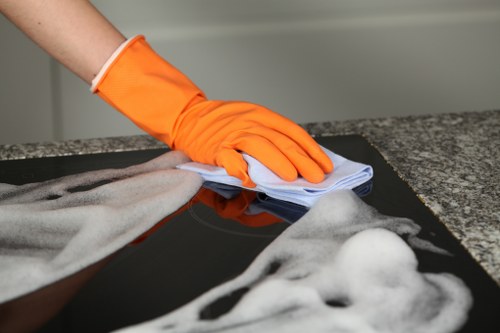 The use of PPE is another essential part of our safety framework. Depending on the task, this may include helmets, gloves, eye protection, high-visibility clothing, respiratory protection, or safety footwear. PPE is selected according to the hazards involved and is checked to ensure it remains suitable and in good condition. When used properly, personal protective equipment provides a valuable final layer of defence.
Although PPE is important, it is never treated as the only control measure. We first look to remove hazards where possible, then reduce exposure through planning and safe methods of work. PPE is used alongside these measures to strengthen overall protection. This layered approach reflects a mature insurance and safety process that prioritises prevention, control, and supervision.
Our risk assessment process begins before work starts and continues as conditions change. Each assessment identifies possible hazards, the people who may be affected, and the likelihood and severity of harm. Suitable control measures are then defined and implemented. Where necessary, the assessment is updated to reflect new information, weather conditions, site constraints, or changes in activity.
Risk assessments are not simply paperwork; they are active tools used to shape safe decisions. Supervisors and operatives review them so that everyone understands the key risks and the controls in place. This shared understanding helps to reduce uncertainty and encourages consistent action. A strong risk management process supports reliable performance and protects both workers and others nearby.
 We also maintain a clear process for monitoring, reporting, and improving safety performance. Near misses, incidents, and observations are reviewed to identify patterns and opportunities for improvement. This feedback loop helps refine procedures, strengthen training, and improve future planning. By learning from experience, we continue to develop our health and safety standards in a practical and measurable way.
Insurance arrangements are checked regularly to ensure they remain appropriate for the type of work being carried out. This includes confirming that cover aligns with operational needs and that any changes in activity are reflected in the policy framework. Keeping insurance current supports financial resilience and demonstrates a responsible approach to managing risk. It is one more way we show commitment to dependable service.
 Ultimately, effective insurance and safety depend on preparation, awareness, and consistent action. Public liability insurance, staff training, PPE, and a robust risk assessment process all work together to create safer outcomes. When these measures are embedded into daily practice, they help protect people, reduce disruption, and support work that is carried out with care, professionalism, and confidence.